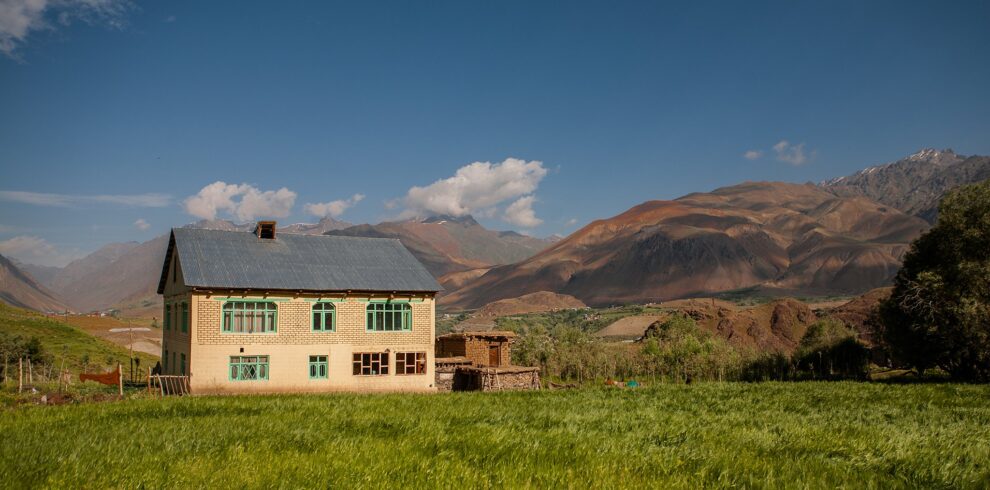
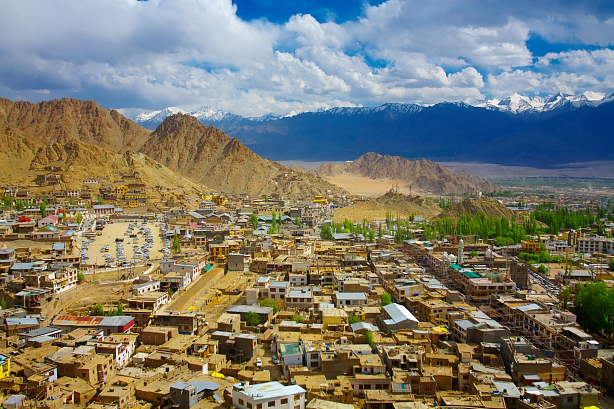
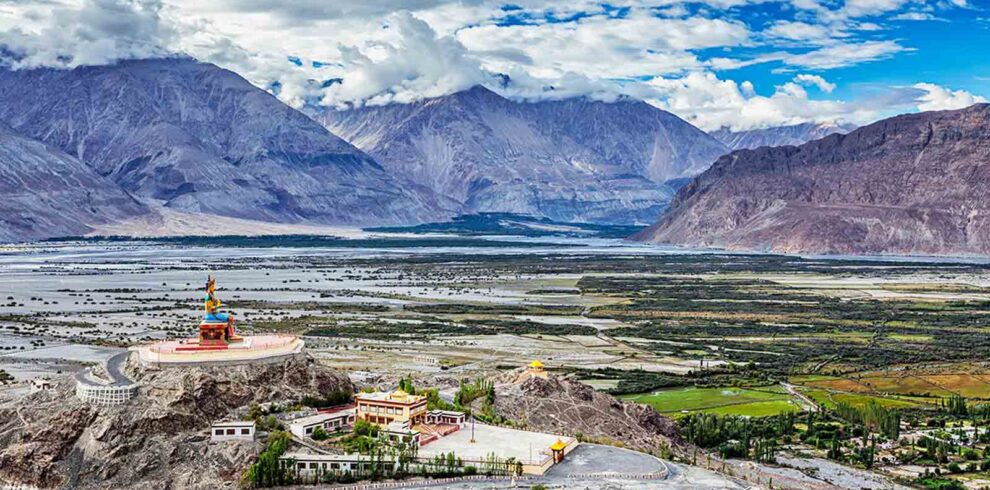
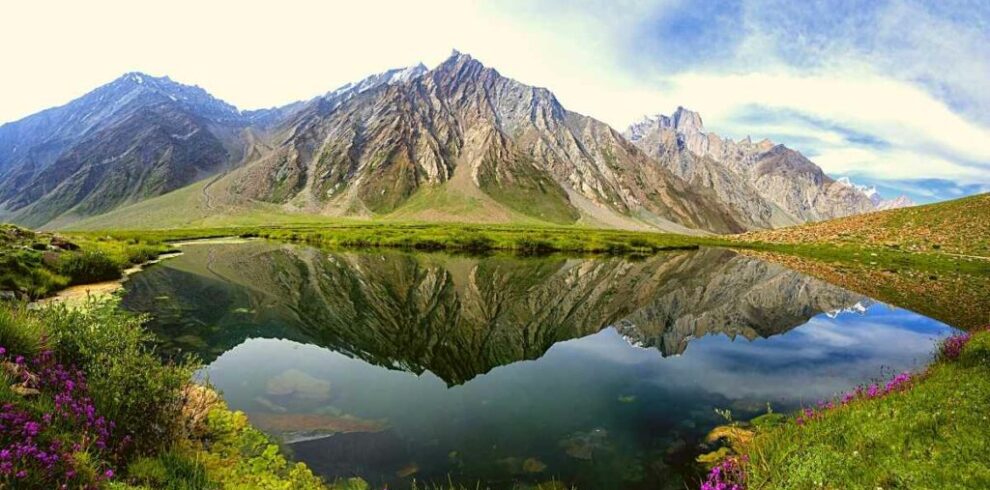
Ladakh, often called the “Land of High Passes,” is a stunning cold desert region located in the northernmost part of India, nestled between the mighty Himalayas and the Karakoram ranges. The name Ladakh comes from the Tibetan words La meaning “pass” and Dakh meaning “many,” perfectly describing its rugged terrain. In ancient times, Ladakh was a vital part of the Silk Route, connecting India with Central Asia and serving as a center for trade in wool, silk, and spices. It has witnessed the rule of great empires, including the Kushans and Tibetans, before King Nyima-Gon established the first Ladakhi dynasty in the 10th century. Leh, the capital, flourished as a hub of culture and commerce, deeply influenced by Tibetan Buddhism. Magnificent monasteries like Hemis, Thiksey, and Lamayuru became symbols of Ladakh’s spiritual heritage.
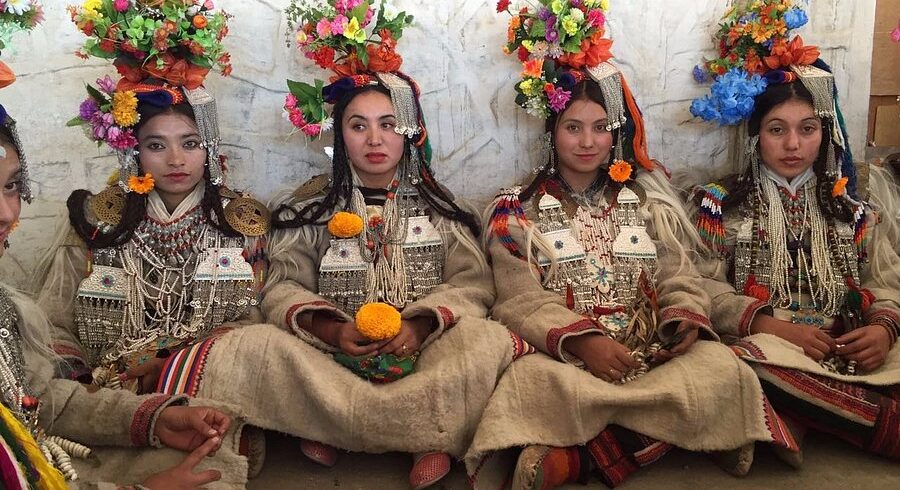
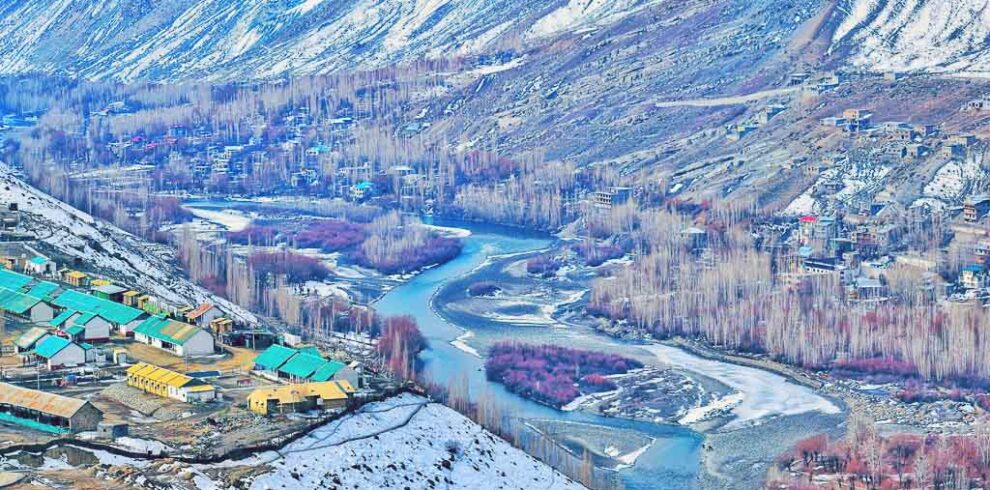
In the 19th century, Ladakh came under the Dogra rulers of Jammu and later became part of the princely state of Jammu and Kashmir under British India. After India’s independence in 1947, Ladakh remained part of Jammu and Kashmir but continued to retain its distinct identity. The region gained strategic importance during the 1962 Indo-China war due to its location near international borders. A historic transformation occurred in August 2019, when Ladakh was declared a separate Union Territory, marking a new chapter in its governance and development. Today, Ladakh comprises two districts — Leh and Kargil — and is renowned for its breathtaking landscapes, Buddhist monasteries, and vibrant culture. The region has become a global attraction for adventure tourism, offering trekking, biking, river rafting, and high-altitude expeditions. Despite modernization, Ladakh continues to uphold its traditions, promoting eco-friendly tourism and sustainable living. It stands today as a land of peace, spirituality, and resilience — where ancient heritage meets the promise of a bright and balanced future.